
The brains behind Holmes

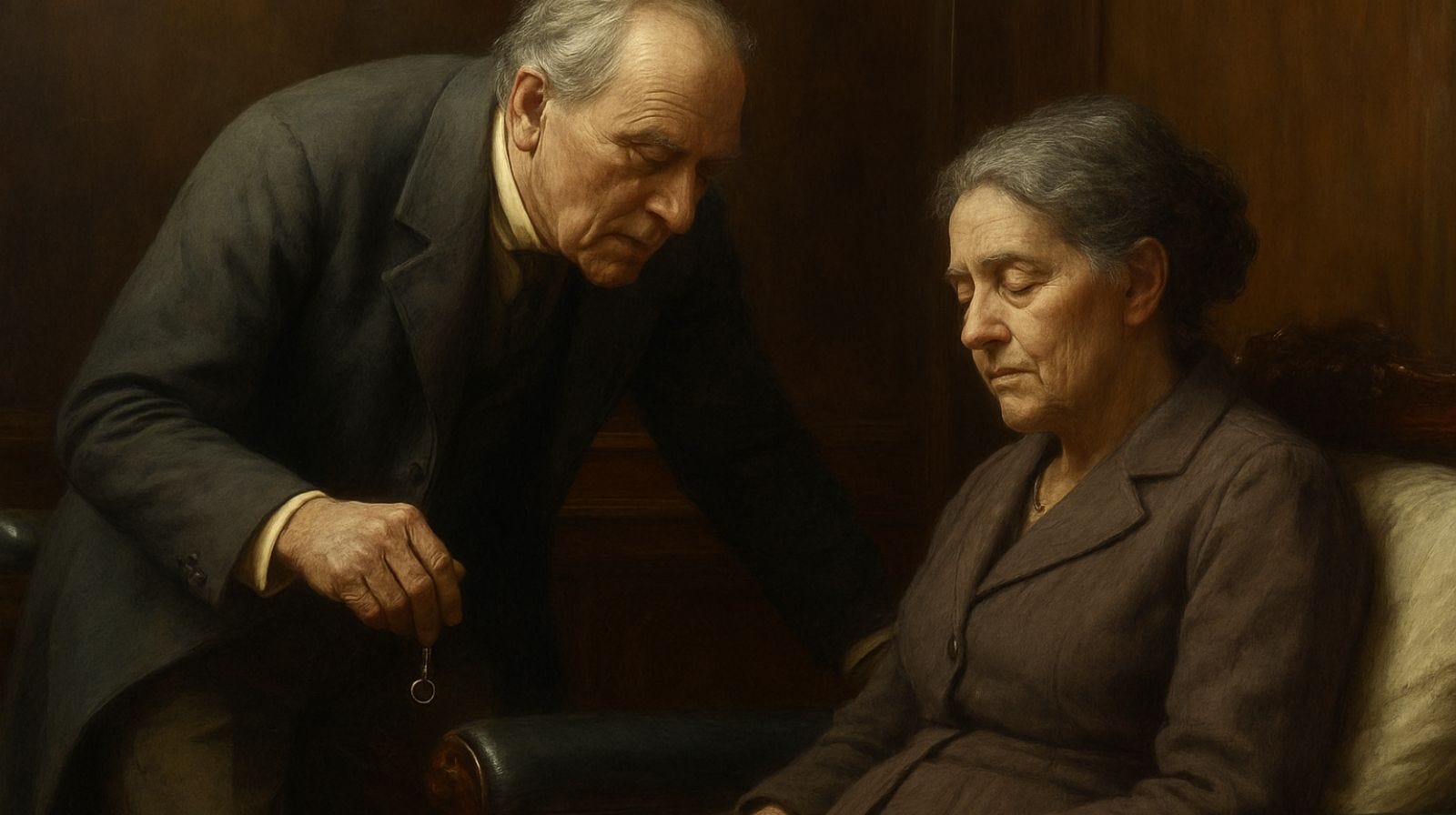
When most people think of Sherlock Holmes, they imagine the deerstalker, the pipe, the brilliant deductions. Few realize that the real inspiration for Holmes walked the halls of Edinburgh University as a surgeon. Dr. Joseph Bell had a mind like a steel trap and eyes that never missed a detail. He could glance at a patient and deduce their occupation, habits, and even recent travels. He could tell a lot about a person by the way they carried themselves or the dirt under their nails. These weren’t tricks; they were lessons in observation, logic, and reasoning, taught to medical students every day. One of those students was Arthur Conan Doyle, who took Bell’s methods and transformed them into fiction. Doyle borrowed Bell’s approach almost wholesale, giving Holmes the same kind of clinical attention to detail, the same insistence on separating relevant facts from noise. Bell’s influence didn’t stop at character creation. He also shaped the very idea of the detective story, showing that methodical reasoning and careful observation could be thrilling to the public. Through Holmes, Bell’s analytical genius entered literature and culture, creating a blueprint for every detective who followed. Modern crime fiction, forensic science shows, and even real investigative methods owe a debt to a man who never wanted to be famous, only precise, only observant, only accurate. In a way, every time we admire a clever twist or a detective’s sharp eye, we are really admiring Dr. Joseph Bell.
Andrew Peel
Andrew Peel is the author of Footsteps on the Moor a thoughtful reimagining of Sherlock Holmes time on Dartmoor via a private journal discovered by his brother Mycroft.